PHE Plate and Gasket- alfa laval Specification
- Temperature Resistance
- Up to 200C (depends on gasket material)
- Pressure Resistance
- Max 25 bar (depending on plate type & thickness)
- Working Temperature
- -10C to 200C
- Hardness
- 75 5 Shore A (for gasket)
- Gasket Coefficient
- 0.15 - 0.3
- Standard
- DIN, ISO, ASME, Customized
- Vaccum Range
- Up to 1 Torr
- Outer Ring
- Available on Request
- Inner Ring
- Available on Request
- Size
- Customized as per requirement / Standard sizes available
- Application
- Heat Exchanger, Chemical, Dairy, Food & Beverage, HVAC, Petrochemical Industries
- Thickness
- 0.5 mm to 1.2 mm
- Number of Passes
- Single Pass / Multi Pass
- Plate Surface Finish
- Smooth / Mirror Polish
- Corrosion Resistance
- High (as per plate material selected)
- Color
- Black / Grey (for gaskets)
- Plate Pattern
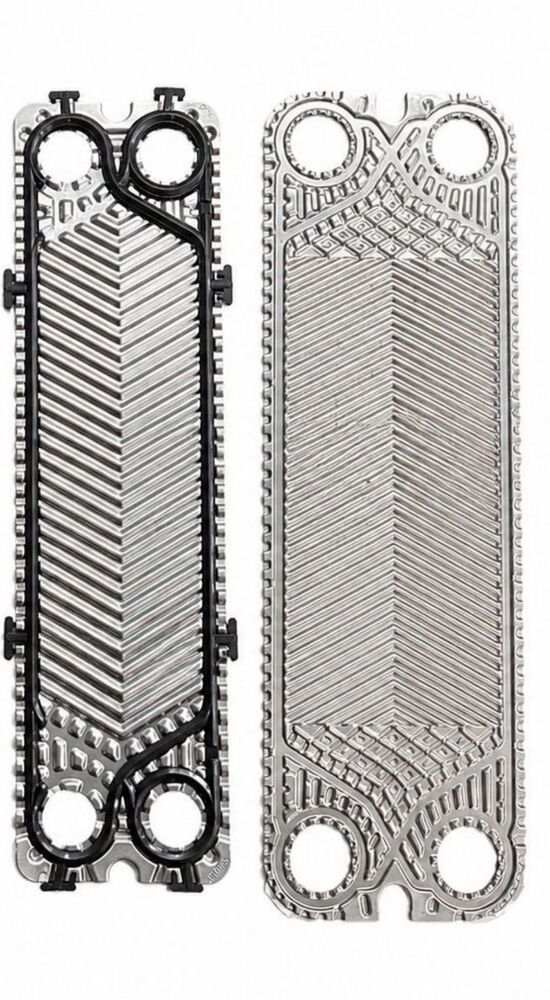
- Herringbone, Chevron, Semi-welded, Wide Gap
- Plate Length
- 350 mm to 2000 mm
- Lifespan
- 5-10 Years (under normal operation)
- Plate Width
- 95 mm to 650 mm
- Plate Port Diameter
- 25 mm to 350 mm
- Gasket Type
- Clip-on / Glued
- Leakage Detection Feature
- Yes, Double Sealing
PHE Plate and Gasket- alfa laval Trade Information
- Minimum Order Quantity
- 10 Pieces
- Payment Terms
- Cash Against Delivery (CAD), Cash on Delivery (COD), Cash in Advance (CID)
- Supply Ability
- 100 Pieces Per Month
- Main Domestic Market
- All India
About PHE Plate and Gasket- alfa laval
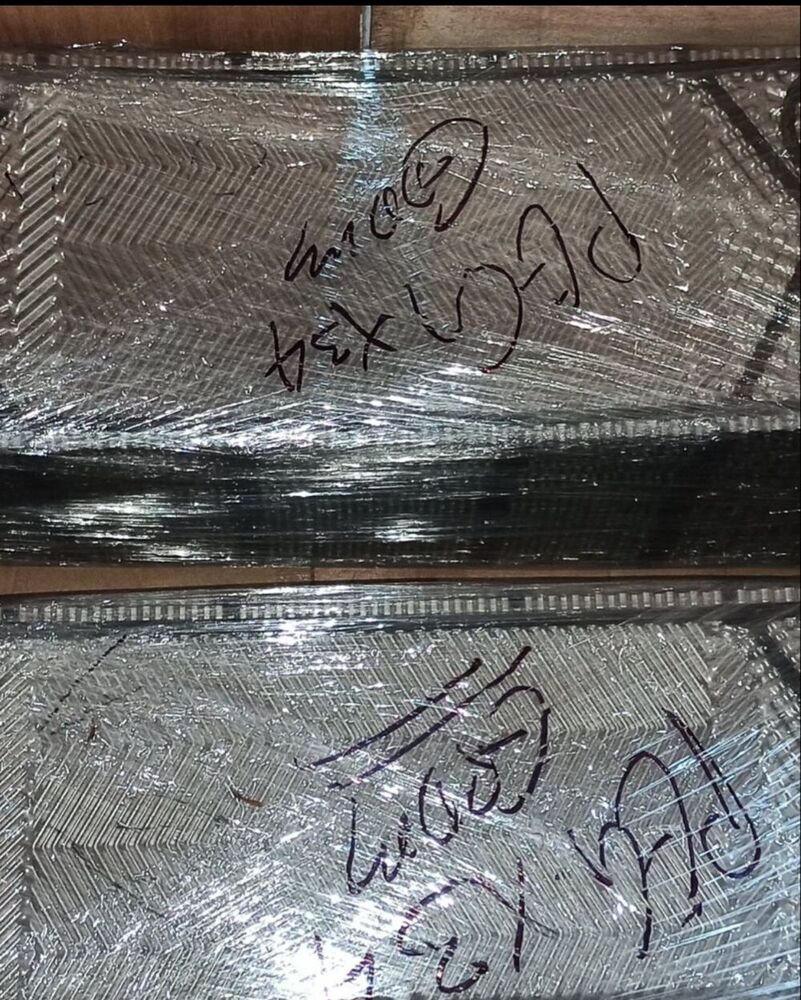
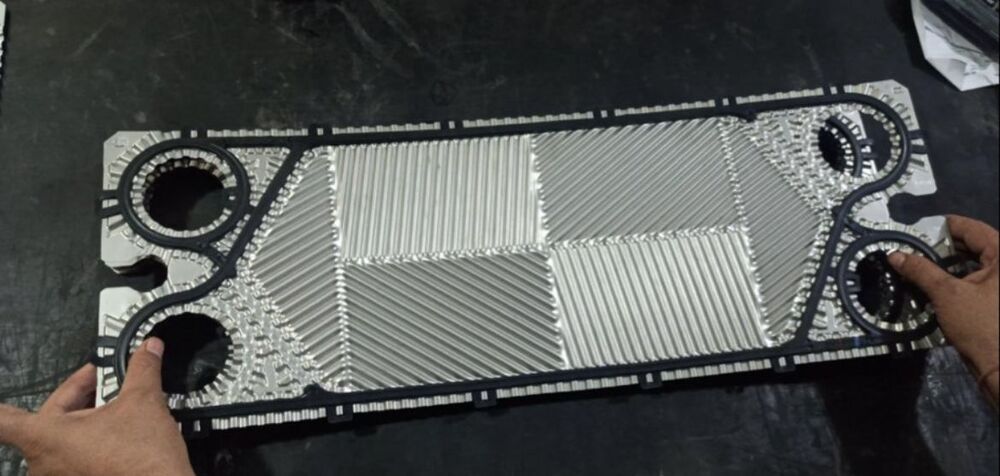
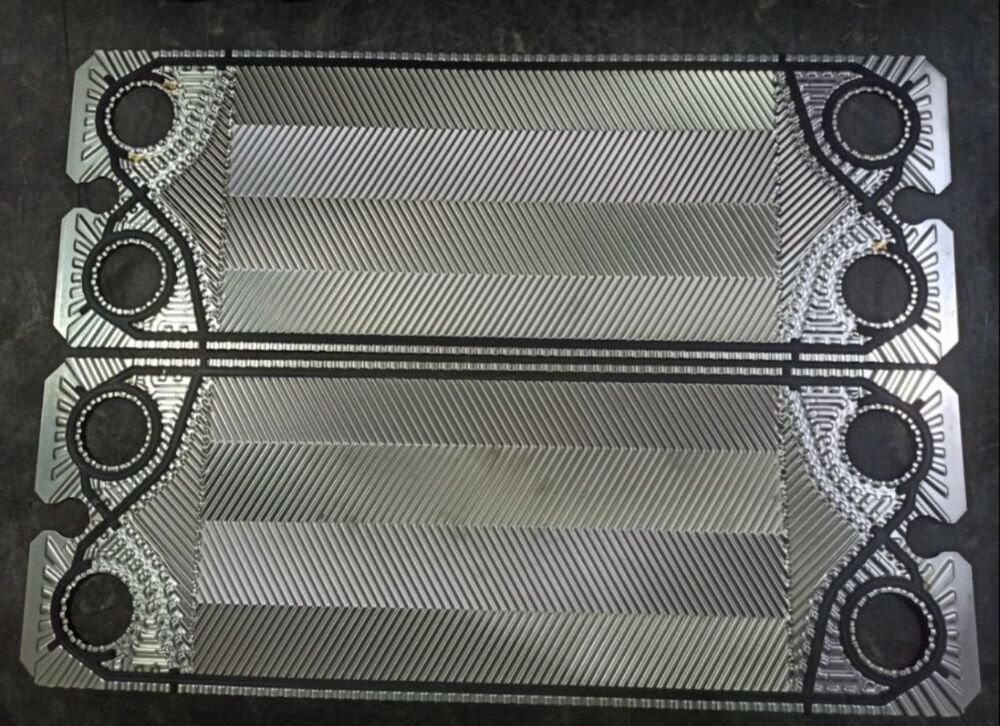
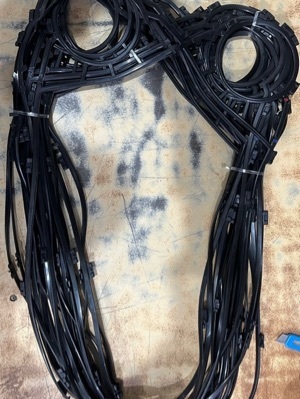
Discover our ravishing new PHE Plate and Gasket range, a top-rated selection made for demanding industrial needs. With limited stock available, these superb heat exchanger plates come in herringbone, chevron, semi-welded, or wide-gap patterns, all offering a gorgeous, smooth or mirror-polish finish. Plate sizes range from 95mm to 650mm wide and up to 2000mm in length. Enjoy robust leak detection, double sealing, and high corrosion resistance. Custom sizing, OEM service, and a stunning gasket range (black or grey) make this a must-have for chemical, dairy, food & beverage, HVAC, and petrochemical applications across India. Versatile Usage and Outstanding Advantage PHE Plate and Gasket systems excel beyond standard heat exchanger duties. They're ideal everywhere from chemical processing plants, food and dairy industries, to large-scale HVAC and petrochemical sites. Their engineered plate profiles and superb sealing reduce leakage risk, boost operational safety, and cater to both customized and standard installations. Their durability, wide-ranging chemical compatibility, and adaptability make them highly advantageous for fluctuating workloads and varied environmental conditions. Shipping, Sample, and Packaging Information Products are shipped from key FOB ports across India. Samples are available upon request-charged at a nominal rate-to ensure your exact requirements are met before placing a bulk order. Each PHE Plate and Gasket is expertly packaged in strong, protective crates to prevent transit damage. Carefully shipped and thoroughly inspected, every shipment guarantees secure, on-time delivery for both standard and custom orders. FAQ's of PHE Plate and Gasket: Q: How do I select the best PHE Plate and Gasket combination for my industry application? A: Consider parameters such as working temperature, pressure, medium type, and industry standards (DIN, ISO, ASME). Our experts can guide you based on your specific process requirements and environmental factors. Q: What is the process for obtaining a customized plate or gasket size? A: Submit your size, thickness, and material specifications. Our OEM service team will review, provide technical support, and finalize production to match your requirements. Q: When should gaskets be replaced in PHE systems? A: Under normal operation, gaskets typically last 5-10 years. However, replacement is recommended when signs of wear, hardening, or leakage appear to ensure optimal performance. Q: Where are these plates and gaskets widely used? A: They are frequently deployed in chemical plants, dairies, food & beverage factories, HVAC systems, and petroleum processing, due to their robust corrosion and temperature resistance. Q: What are the main benefits of the double sealing and leakage detection features? A: Double sealing minimizes the risk of cross-contamination, while leakage detection promptly alerts maintenance teams to issues, ensuring safety and reducing downtime.





 Send Inquiry


 Send Inquiry